 YAVE
Arsenal FC
The history of Arsenal: from Dial Square to the Invincibles and beyond
Arsenal began as a works team. In October 1886, munitions workers at the Royal Arsenal armaments factory in Woolwich, south-east London, formed a football club named Dial Square, after one of the factory's workshops. Fifteen fellow workers joined the Scotsman David Danskin, each contributing sixpence to buy a ball. From those beginnings grew one of the most successful clubs in English football: 14 league titles, a record 14 FA Cups, and a name recognised around the world.
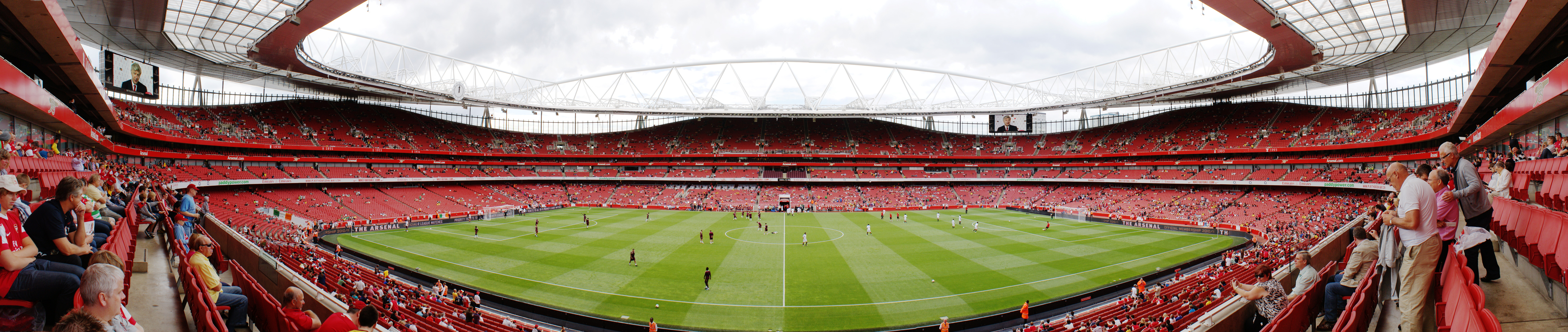
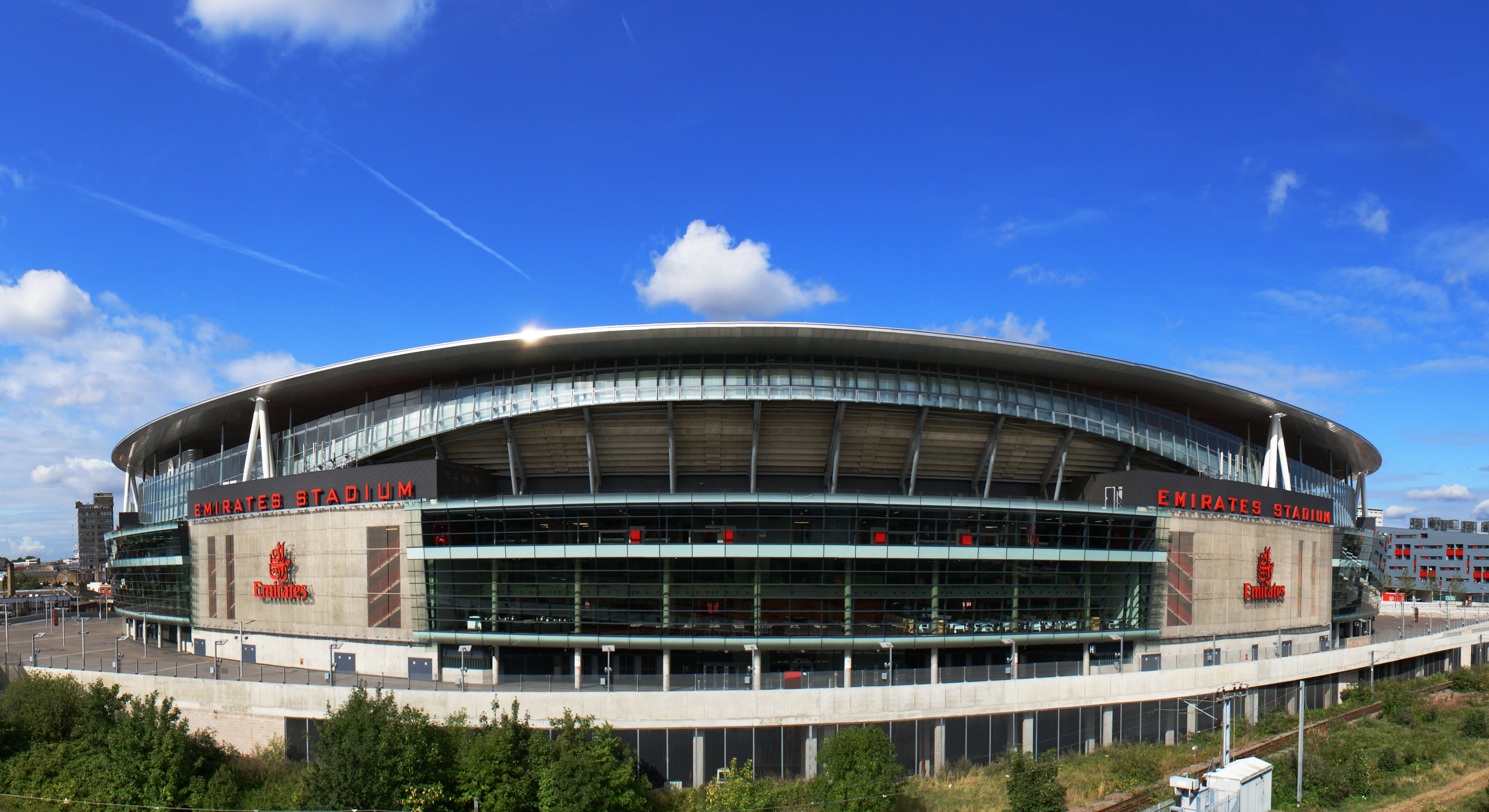
The club's story is one of two homes and several reinventions. Arsenal spent their first 27 years in Woolwich, then crossed the city to Highbury in 1913 and stayed for 93 years before moving to the Emirates Stadium in 2006. Along the way came Herbert Chapman's revolution of the 1930s, a first Double in 1971, George Graham's disciplined winners, Arsène Wenger's "Invincibles", and a long rebuild under Mikel Arteta. The Gunners, as they are known, have spent over a century in the top division — the longest continuous run in English football.
Contents
- The Woolwich Years (1886–1913)
- The Move to Highbury and the Chapman Revolution (1913–1934)
- Post-War Titles and the First Double (1934–1971)
- Cup Runs and George Graham's Arsenal (1971–1996)
- The Wenger Era (1996–2018)
- The Arteta Rebuild (2018–present)
- Honours
- Timeline
- References
The Woolwich Years (1886–1913)
Dial Square played their first match on 11 December 1886, beating Eastern Wanderers 6–0. By January 1887 the team had taken the name Royal Arsenal, and the club's first trophies were local ones: the Kent Senior Cup and London Charity Cup in 1889–90, and the London Senior Cup a year later. In 1891 Arsenal became the first London club to turn professional. Two years later, renamed Woolwich Arsenal, they became the first southern club admitted to the Football League, starting in the Second Division and reaching the First Division in 1904.
The Woolwich years were played mostly at the Manor Ground in Plumstead, after early homes on Plumstead Common and at the Invicta Ground. But crowds were small, money was short, and by 1910 the club was close to bankruptcy. Businessmen Henry Norris and William Hall became involved, and Norris began planning a move across London that would change the club forever.
The Move to Highbury and the Chapman Revolution (1913–1934)
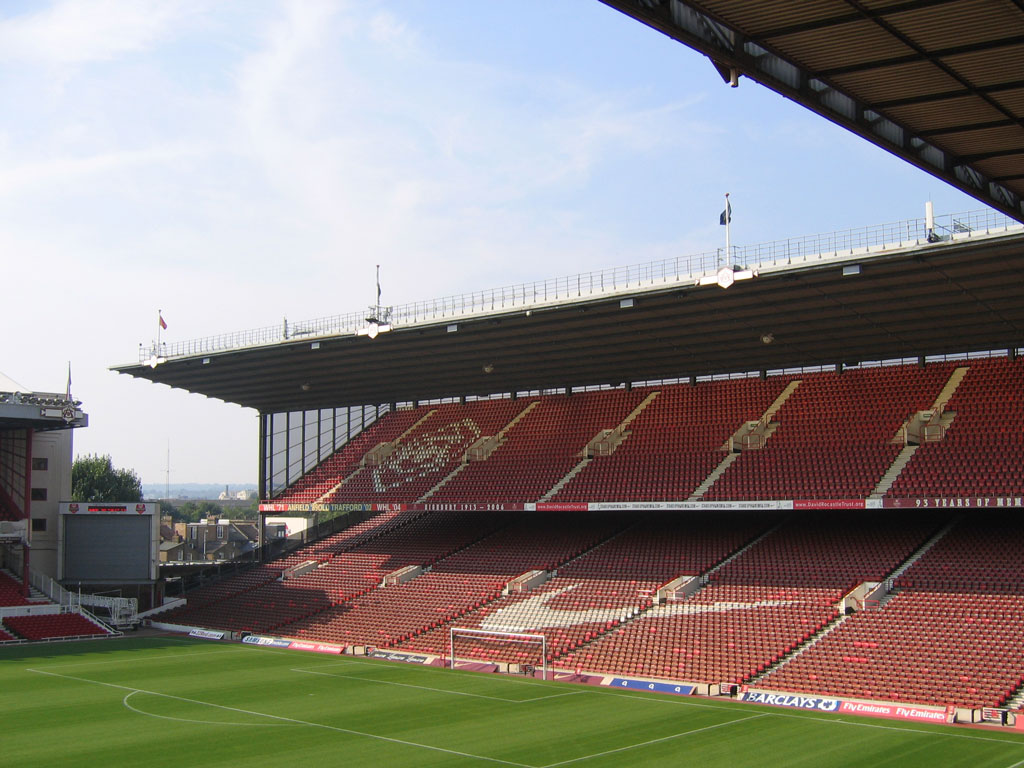
In 1913, after relegation, Arsenal left Woolwich for the new Arsenal Stadium at Highbury in north London — a move that placed them close to Tottenham Hotspur and created the North London derby. In 1919 the club was controversially voted into the enlarged First Division despite having finished fifth in the Second Division, and heavy spending earned Arsenal the nickname of the "Bank of England club".
The transformation came under Herbert Chapman, appointed in 1925. With Charlie Buchan he devised the WM formation, introduced floodlights and numbered shirts, added the famous white sleeves to the red kit, and even had a Tube station named after the club. Chapman delivered Arsenal's first major national trophy, the FA Cup in 1930, and league championships in 1930–31 and 1932–33, with players such as Cliff Bastin, Eddie Hapgood, David Jack and Alex James. He died suddenly of pneumonia in the middle of the 1933–34 season, but the team he built played on.
Post-War Titles and the First Double (1934–1971)
Joe Shaw and George Allison carried Chapman's side to further titles in 1933–34, 1934–35 and 1937–38, plus the FA Cup in 1936 — five league titles and two FA Cups in the 1930s in all. The Football League was then suspended for seven years during the Second World War, in which Arsenal lost more players killed than any other top-flight club. Tom Whittaker, Chapman's former trainer, restored success after the war: champions in 1947–48, FA Cup winners in 1950, and champions again in 1952–53, a record seventh title at the time.
What followed was an 18-year wait for a league title or FA Cup, spent mostly in mid-table. The breakthrough came under Bertie Mee, the club physiotherapist appointed manager in 1966. Mee's Arsenal won the club's first European trophy, the Inter-Cities Fairs Cup in 1969–70, and in 1970–71 completed the club's first League and FA Cup Double.
Cup Runs and George Graham's Arsenal (1971–1996)

After the Double side broke up, Arsenal became a cup team. Under Terry Neill they reached three consecutive FA Cup finals from 1978 to 1980, winning the famous 1979 final 3–2 against Manchester United, with players such as Liam Brady, Frank Stapleton and Pat Jennings. George Graham, appointed in 1986, built a harder side around the "famous Back Four" of Tony Adams, Nigel Winterburn, Lee Dixon and Steve Bould. Graham won the League Cup in his first season, then the league title in 1988–89 — sealed by a last-minute goal at Liverpool in the final game — and again in 1990–91, when Arsenal lost only one league match. An FA Cup and League Cup double followed in 1993, and in 1994 Arsenal won the European Cup Winners' Cup. Graham was dismissed in February 1995, and Bruce Rioch lasted a single season before the club turned to France for its next manager.
The Wenger Era (1996–2018)

Arsène Wenger arrived in October 1996 and changed English football's habits as well as Arsenal's: diet, fitness and scouting were overhauled, and the football became fast and attacking. His teams, built around Patrick Vieira, Dennis Bergkamp and Thierry Henry — who became the club's record scorer with 228 goals — won Doubles in 1997–98 and 2001–02. The peak came in 2003–04, when the "Invincibles" won the Premier League without losing a single match, part of an English-record 49-game unbeaten league run between May 2003 and October 2004.
In 2006 Arsenal reached their first Champions League final, losing 2–1 to Barcelona, and that summer left Highbury after 93 years for the 60,704-capacity Emirates Stadium. A trophy drought followed, ended by the 2014 FA Cup, won 3–2 against Hull City after Arsenal had trailed 2–0. Further FA Cups came in 2015 and 2017. Wenger, the club's longest-serving manager and winner of a record seven FA Cups, departed in May 2018.
The Arteta Rebuild (2018–present)
Unai Emery's first season brought a Europa League final but ended with his dismissal in November 2019. His replacement was Mikel Arteta, a former Arsenal captain, appointed on 20 December 2019. Arteta won the FA Cup in his first season — a record-extending 14th for the club, beating Chelsea 2–1 — but league form lagged, and Arsenal missed European football entirely in 2021–22 for the first time in 26 years, the same year the club joined and then quickly withdrew from the breakaway European Super League.
Arteta rebuilt with one of the Premier League's youngest sides. Arsenal finished fifth in 2021–22, then second three seasons running — with 84 points in 2022–23, 89 in 2023–24 and 74 in 2024–25 — and reached a Champions League semi-final in 2024–25. In 2025–26 the wait finally ended: Arsenal won the league title again, the club's 14th and its first since the Invincibles of 2003–04.
Honours
| Trophy | Titles | Years |
|---|---|---|
| League title (First Division / Premier League) | 14 | 1930–31, 1932–33, 1933–34, 1934–35, 1937–38, 1947–48, 1952–53, 1970–71, 1988–89, 1990–91, 1997–98, 2001–02, 2003–04, 2025–26 |
| FA Cup | 14 (record) | 1929–30, 1935–36, 1949–50, 1970–71, 1978–79, 1992–93, 1997–98, 2001–02, 2002–03, 2004–05, 2013–14, 2014–15, 2016–17, 2019–20 |
| League Cup | 2 | 1986–87, 1992–93 |
| FA Community Shield | 18 | Most recently in 2026; the 1991 shield was shared with Tottenham Hotspur |
| European Cup Winners' Cup | 1 | 1993–94 |
| Inter-Cities Fairs Cup | 1 | 1969–70 |
Arsenal have never won the European Cup or Champions League, losing the final in 2006. The club's record scorer is Thierry Henry, with 228 goals in all competitions, and its record appearance maker is David O'Leary, with 722 first-team matches between 1975 and 1993.
Timeline
- 1886 — Munitions workers at the Royal Arsenal, Woolwich, found the club as Dial Square in October; the first match, on 11 December, is a 6–0 win over Eastern Wanderers.
- 1893 — Renamed Woolwich Arsenal, the club becomes the first from the south to join the Football League.
- 1913 — The club crosses London to the Arsenal Stadium at Highbury.
- 1930 — First major national trophy: the FA Cup, under Herbert Chapman.
- 1971 — The Inter-Cities Fairs Cup of 1970 is followed by the club's first League and FA Cup Double under Bertie Mee.
- 1989 — George Graham's Arsenal snatch the league title at Anfield with a last-minute goal in the final game of the season.
- 1994 — European Cup Winners' Cup won under George Graham — still, with the 1970 Fairs Cup, one of only two European trophies.
- 2004 — Wenger's "Invincibles" win the Premier League unbeaten, within a record 49-game unbeaten league run.
- 2006 — First Champions League final, lost to Barcelona, and the move from Highbury to the Emirates Stadium.
- 2020 — Mikel Arteta's Arsenal win a record-extending 14th FA Cup.
- 2026 — Arsenal win their 14th league title, a first since 2003–04.
References
- Wikipedia — "Arsenal F.C." (history, honours, stadiums and records).
- Arsenal.com — official club honours and goalscorers records pages.
- 11v11 — Arsenal honours list.
- Wikimedia Commons — file pages for the photographs used.
Image source: Wikimedia Commons.


