 YAVE
Search
Find articles, players and competitions.
9 results for “Holstein Kiel”

SC Tasmania 1900 Berlin
Admitted to the Bundesliga at two weeks' notice in July 1965, Tasmania 1900 collected 8 points, a 31-game winless run and records that mostly still stand, before bankruptcy in 1973; their unofficial successor SV Tasmania Berlin won the NOFV-Oberliga Nord in 2025–26.

Rot-Weiss Essen
DFB-Pokal winners in 1953 and German champions in 1955 behind Helmut Rahn and Fritz Szepan, Rot-Weiss Essen were the Federal Republic's first European Cup entrants and remain a Ruhr institution, finishing 3rd in the 2025–26 3. Liga and losing the promotion play-off to Greuther Fürth.
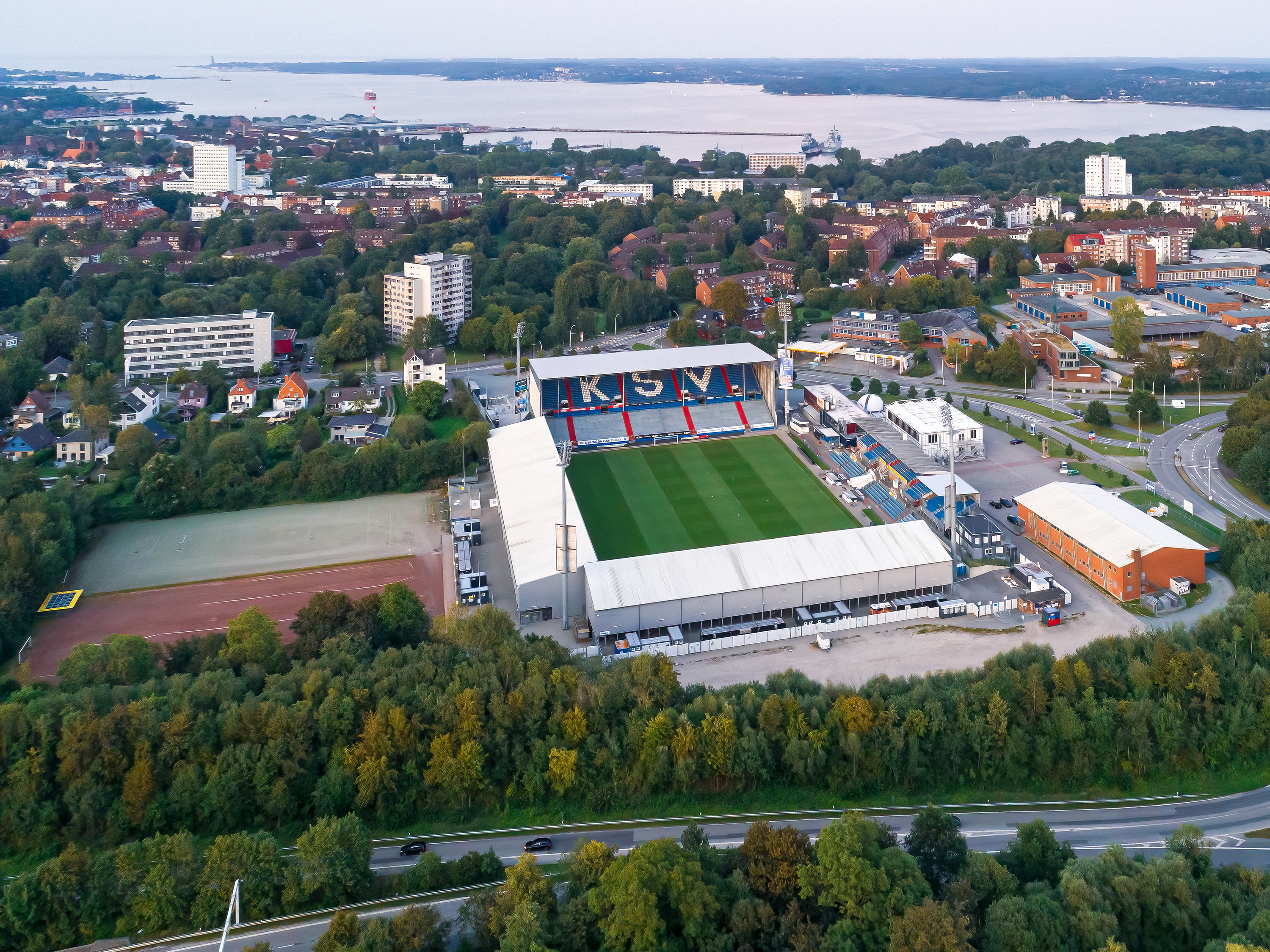
Holstein Kiel
German champions in 1912 as FV Holstein, Holstein Kiel were locked out of the Bundesliga in 1963 and waited 61 years to reach it — via fourth-tier falls, play-off heartbreak and a famous penalty shoot-out win over Bayern Munich — becoming Schleswig-Holstein's first Bundesliga club in 2024.

KFC Uerdingen 05
Founded in 1905 and FC Bayer 05 Uerdingen from the works-club merger of 1953 until Bayer's withdrawal in 1995, Uerdingen beat Bayern Munich 2–1 in the 1985 DFB-Pokal final — their only major trophy — and a year later beat Dynamo Dresden 7–3 in the "Wunder von der Grotenburg", voted the greatest football match of all time. Licence withdrawal, insolvencies and exile frame the club's survival in the

TSV 1860 Munich
TSV 1860 Munich, officially re-founded on 17 May 1860 with a football department from 1899, were Munich's first great club: DFB-Pokal winners in 1942 and 1964, Cup Winners' Cup finalists at Wembley in 1965 and German champions in 1965–66 with 50 points. Licence withdrawals in 1982 and 2017, an investor era and a homecoming to the Grünwalder Stadion mark the long fall of Die Löwen.

Hertha BSC
Founded on 25 July 1892 and named, by club tradition, after a steamship, Hertha BSC won back-to-back German championships in 1930 and 1931 at the end of six straight finals — then never won the DFB-Pokal, losing the finals of 1977 and 1979 while the 1993 finalists were the club's own reserve side. Forced relegation in 1965, the 1971 scandal, investor takeovers and a 2023 relegation frame the story

Hamburger SV
HSV dates its founding to 29 September 1887, the birth of SC Germania, though the present club was formed by merger on 2 June 1919. Six German championships, the 1983 European Cup and Uwe Seeler's 507 goals frame the story of the Bundesliga's last dinosaur — relegated for the first time in 2018 and promoted back in 2025.

1. FC Köln
Founded on 13 February 1948 by a merger meant to give the whole city one club, Köln became the Bundesliga's first champions in 1964 and won the double in 1977–78 — the title taken on goal difference despite Gladbach's record 12–0 win. Since 1998 the Billy Goats have been relegated seven times and promoted seven times.

VfL Wolfsburg
Founded on 12 September 1945 as VSK Wolfsburg in the city built for the Volkswagen factory, the works club climbed from regional football to a Bundesliga title in 2009 — Grafite and Džeko scoring a record 54 league goals between them — and a DFB-Pokal in 2015. In 2026, after two play-off escapes, Wolfsburg were relegated from the Bundesliga for the first time.